

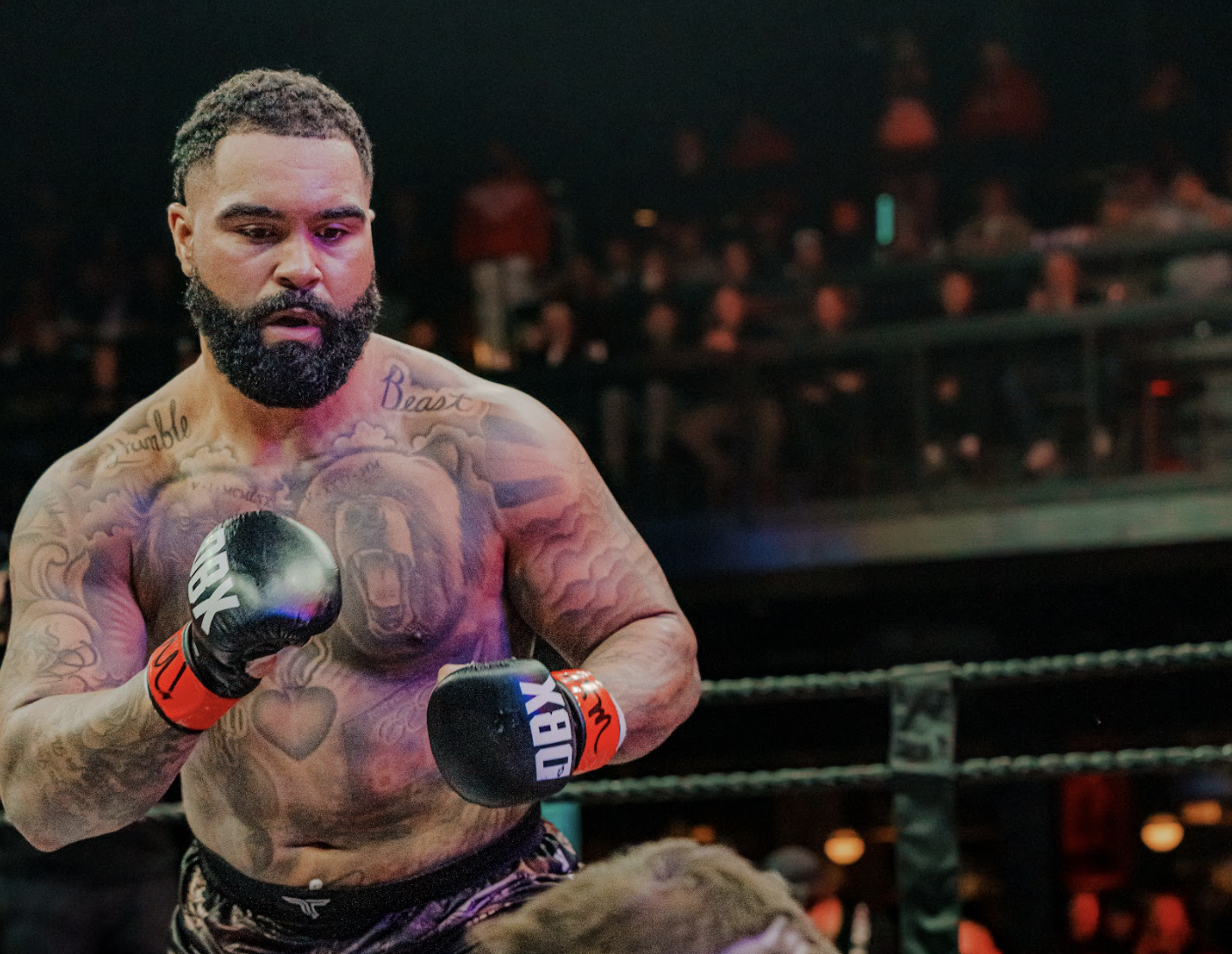
The transition of elite amateur athletes into the professional combat sports arena is rarely smooth or immediate. Yet, Gable Steveson, the Olympic gold medalist whose wrestling pedigree is virtually unmatched, is operating on an entirely different timeline. After securing a devastating 25-second knockout in his latest mixed martial arts outing, Steveson has formally petitioned the UFC for an immediate contract, bypassing the customary developmental circuit.
The Paradox of the Striking Wrestler
Steveson, widely known for his dominating performance at the Olympic Games, was expected to rely heavily on his grappling base—a foundation that has served countless MMA champions well. However, in his recent appearances, the heavyweight has emphatically demonstrated a potent and immediate striking ability, seemingly prioritizing the highlight-reel knockout over the grind of a wrestle-heavy decision.
The most recent example of this unexpected strategy unfolded under the lights of Anthony Pettis` APFC organization in Albuquerque, New Mexico—a city steeped in fight history. Facing Kevin Hein, Steveson refused to engage in a technical wrestling match. Instead, he stood and traded, ending the contest in a swift 25 seconds with a forceful right hand that instantly rendered Hein unconscious. For context, this marks Steveson’s second rapid-fire first-round finish in his nascent MMA career.
The technical analysis is clear: a competitor expected to dominate on the mat is finishing fights on the feet. This striking efficiency, while shocking, greatly accelerates his perceived readiness for the sport`s highest level.
The Absence of an Icon and the Call to Mick Maynard
Notably, Steveson’s latest victory occurred without UFC heavyweight icon Jon Jones in his corner, although communication between the two remained active up until the walkout. This detail underscores Steveson’s increasing self-sufficiency in the cage, relying less on immediate mentorship and more on raw power and rapidly developed instinct.
In the moments following the quick dismissal of his opponent, Steveson wasted no time directing his focus toward the premier organization. He publicly called upon Mick Maynard, the influential UFC matchmaker, demanding an opportunity. Steveson’s argument hinges on his proven ability to generate immediate, spectacular results—a commodity always valued by the organization, especially in a division often criticized for its slow pace and lack of depth.
The UFC Heavyweight Equation: Fast-Tracking a Phenom
Historically, the consensus suggests that even highly credentialed athletes require significant time on the regional circuit to hone their defensive striking, conditioning, and cage awareness—elements that cannot be fully developed in a wrestling room. However, the heavyweight division operates under a different set of rules.
Due to the perpetual scarcity of truly compelling talent at 265 pounds, the UFC has often demonstrated a willingness to fast-track athletes with significant athletic potential. Dana White, the UFC President, acknowledged this interest recently, stating that the promotion is “definitely keeping our eyes on him.” This diplomatic acknowledgment confirms that Steveson is no longer a developmental project but a high-priority asset under immediate consideration.
The question for UFC brass is not if Steveson belongs in the organization, but how soon. Signing Steveson after just two or three regional outings carries inherent risk; he remains largely untested against a capable grappler or a durable striker who can withstand his initial flurry. Conversely, the potential reward—a proven competitor with Olympic gold attached to his name and an apparent nuclear power in his hands—is too high to ignore. For the UFC, the decision is a calculated gamble on whether the spectacle of his victories outweighs the lack of accumulated cage time.