

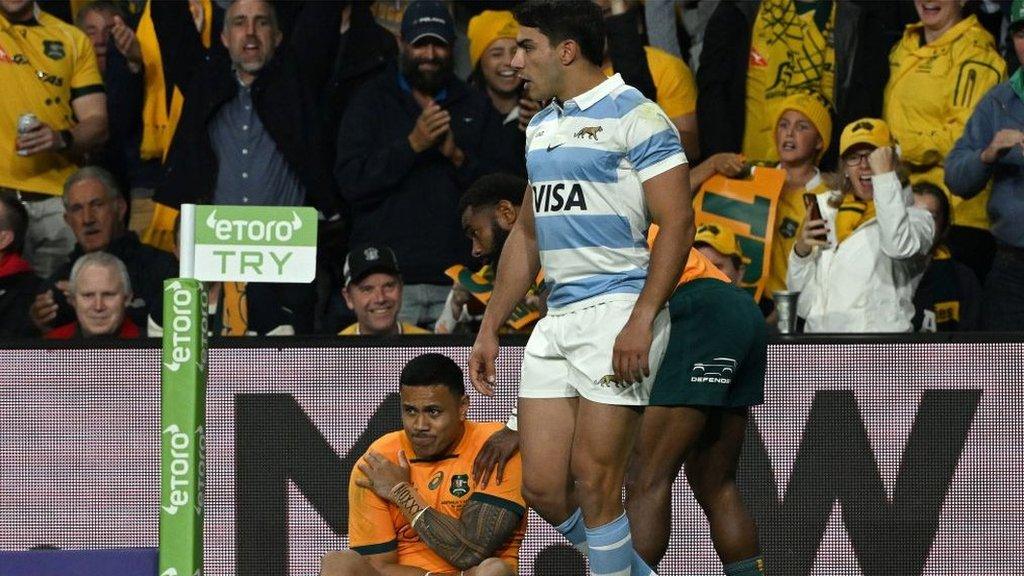
The Promise Abruptly Derailed
When Len Ikitau, the 27-year-old former Brumbies standout and Wallabies representative, arrived at Sandy Park, expectations were high. His arrival signaled Exeter’s commitment to reinforcing their midfield, bringing Test-match experience and dynamism to the Premiership campaign. However, the rugby gods appear to have delivered a particularly cruel welcome. Ikitau managed to register only four appearances for the Chiefs in the league before his promising start was abruptly halted.
The incident occurred during a robust encounter against Saracens. Initial assessments following the shoulder injury were cautiously optimistic, setting a tentative framework for a return to competitive action. Director of Rugby Rob Baxter had previously communicated an expectation that Ikitau would be fit and available by the end of February—a timeline that would minimize disruption to the crucial mid-season fixtures.
Surgical Intervention and Revised Forecast
Unfortunately for both the player and the club’s medical staff, the severity of the shoulder damage demanded a more invasive approach than conservative rehabilitation could offer. The injury proved serious enough to necessitate surgical intervention. While surgery is often the definitive solution required to ensure full long-term mobility and strength, it invariably imposes a stricter, longer recovery protocol.
Medical confirmation now indicates a substantial revision to the estimated return date. Instead of a late February comeback, Ikitau is now projected to remain sidelined until the end of March, at the absolute earliest. This six-to-eight-week extension places a significant portion of the business end of the season outside of his grasp.
The shift from non-surgical recovery to an operational necessity underscores the complexity of professional sports injuries. A two-month delay in a sporting calendar can feel like an eternity, especially when a player is attempting to establish himself in a new competition and a new culture.
Impact on the Exeter Chiefs Midfield
For the Exeter Chiefs, this development presents a tactical headache. Ikitau was brought in not just for depth, but to be a pivotal figure in the center field. Having played only four matches, he has not yet had the opportunity to fully sync with the Chiefs’ attacking patterns or defensive structures. His extended absence means the coaching staff must rely on existing resources and young talent to navigate the intense fixture list through February and March.
This situation is a frustrating microcosm of the challenges inherent in global rugby transfers. A player makes a massive personal and professional commitment—moving across hemispheres for a new challenge—only to be forced into the role of spectator almost immediately. Ikitau’s priority now shifts entirely from performance integration to meticulous rehabilitation. The goal is no longer to impact the current set of fixtures, but to ensure he returns fully fit and prepared to contribute meaningfully in the final weeks of the season and, crucially, for the entirety of the next campaign.
The Chiefs` focus will be on ensuring the operation is successful and that Ikitau adheres strictly to his recovery schedule. His true debut season at Sandy Park, it seems, will be compressed into a much shorter window than anyone had planned.
 Gareth Pendleton