

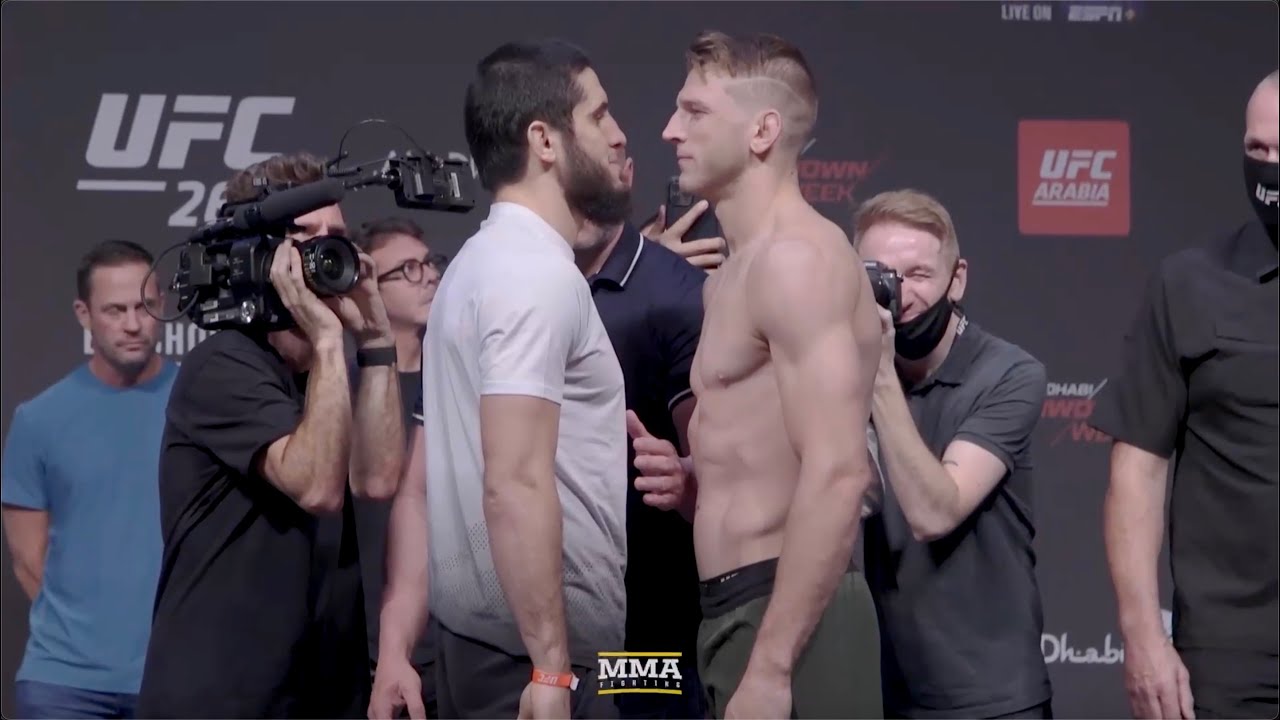
In the highly competitive and frequently illogical world of professional mixed martial arts, success is rarely measured by wins alone. This uncomfortable truth was recently laid bare by reigning UFC champion Islam Makhachev, who offered a cold, calculated analysis regarding the surprising release of a fellow Russian star, Rinat Fakhretdinov.
Fakhretdinov, a welterweight known as ‘Gladiator,’ possessed a phenomenal professional record of 24-1-1. More importantly, he maintained a spectacular 23-fight undefeated streak overall, including an unblemished run inside the Octagon. His recent performance—a decisive 54-second knockout at UFC Paris—suggested a fighter on the cusp of relevance. Yet, shortly thereafter, the UFC opted not to renew his contract. The resulting confusion in the MMA community was palpable: how can an undefeated, finishing fighter be deemed surplus to requirements?
The Champion’s Pragmatic Assessment: Win is Not Enough
Islam Makhachev, the newly crowned two-division champion, stepped into the void of speculation with the kind of brutal honesty usually reserved for gym sessions. During an interview, Makhachev offered Fakhretdinov a severe, yet fundamentally technical, assessment of the business model he failed to satisfy.
“The UFC needs fighters they can sell, who can make money,” Makhachev stated. “Rinat would just go out there and win. The UFC doesn’t need guys who just beat everyone and stay quiet.”
This statement cuts directly to the core philosophy of the promotion. While organizations often claim to seek the “best fighters,” the technical reality is they seek the “most marketable products.” A victory is merely a prerequisite; true value lies in spectacle and salesmanship.

The Cruel Math of Marketability
Fakhretdinov’s mistake, according to Makhachev, was his commitment to stoic efficiency. He was the quintessential silent assassin: he entered the cage, secured the win—often quickly—and exited without generating significant controversy, rivalries, or headline material. In a league where the primary metric for advancement is pay-per-view buys and social media engagement, an impressive win streak, absent narrative conflict, is simply a line item on a spreadsheet, not a profitable storyline.
Makhachev’s advice, delivered with the dry clarity of a technical coach, wasn`t about improving fighting technique; it was about mastering the external craft:
“Learn English, learn how to sell yourself, learn how to be interesting to the public. They love the show. And because of that, you just need to learn how to put on a show.”
For a fighter from a non-English speaking background, this adds a layer of complexity. The necessity of adopting a promotional persona—often requiring manufactured drama or fluent trash talk—is now as essential as the double-leg takedown. The UFC is, fundamentally, a television program where the athletes are both cast members and competitors. Failing to deliver compelling dialogue or a dramatic narrative arc can be a career-ending omission, even if the athletic performance is flawless.
A Different Path: The Independent Success
While this analysis paints a cynical picture of the professional fighting landscape, Fakhretdinov appears far from disheartened. Addressing his fans, he quickly clarified that he was not “cut” but simply not offered a new contract, suggesting a mutual separation or a disagreement over terms.
The ‘Gladiator’ hinted that his potential success might have been inconvenient for some in the welterweight hierarchy. Crucially, he claimed that his exit from the UFC has already yielded superior commercial opportunities:
“Nothing terrible happened and offers are pouring in with a very different pay. In no case are we worried, we fought with dignity there… We would have caused problems to some people there, but apparently this also got in someone’s way.”
This counter-narrative offers a glimmer of hope: pure fighting skill, when undeniably dominant, remains highly valuable in the wider global market, even if it fails to tick the UFC`s specific boxes for “entertainment value.” Other promotions may prioritize athletic quality and a flawless record over the ability to perform a dramatic press conference monologue.
Conclusion: The Fighter vs. The Performer
The episode involving Rinat Fakhretdinov serves as a profound business lesson in MMA. Islam Makhachev, a champion who balances skill with strategic visibility, articulated the necessary blueprint for sustained success in the largest promotion: you must transcend the role of the fighter and embrace the role of the performer.
An undefeated streak might earn respect inside the gym, but only marketability guarantees a renewed contract and a spot in the headline conversation. Fakhretdinov was deemed too good, too quiet, and ultimately, too difficult to monetize effectively. The `Gladiator` may have won the fights, but he lost the promotional game—a distinction that, in the UFC, often determines the fate of a career.
 Finlay Hurst